
Signals from the Fed: Inflation, Growth, and What Comes Next
August 22, 2025
It was a Fed-heavy week, with
three major developments that matter for markets and the economy.
FOMC minutes (July 29–30) — released Wednesday (Aug. 20).
The minutes reinforced a data-dependent stance: participants saw continued progress on inflation but noted that risks aren’t one-way, citing pockets of labor-market cooling
and the growth impact of tighter financial conditions.
Policymakers emphasized flexibility and the need to see inflation moving durably toward 2% before declaring victory.
For investors, the takeaway is that the bar for rapid policy shifts remains high,
but the Committee is clearly keeping both sides of the mandate in view.
Weekly balance sheet (H.4.1) — released Thursday (Aug. 21).
The Fed’s weekly statement showed the usual moving pieces: securities holdings, reserve balances, and program usage. While week-to-week changes can be noisy, the release remains a useful pulse on system liquidity
and the runoff of the Fed’s portfolio under quantitative tightening. Markets watch aggregate reserves and Treasury General Account flows because they can nudge front-end rates and funding conditions
at the margin.
Jackson Hole — Chair Powell’s Friday address.
At the Kansas City Fed’s annual symposium, Chair Powell underscored that policy decisions will continue to be guided by incoming data. He highlighted the balance between sustaining expansion and finishing the job on inflation, noting tariff-related price pressures and supply-chain considerations among factors being monitored. The message: no preset path, but openness to adjust as evidence accumulates.
Historically, Jackson Hole is more about long-term framework and risk management
than near-term moves, and that tone held this year.
What it means for the days ahead
Near-term market drivers will be how inflation and labor data align with the Fed’s “proceed carefully” posture.
• If inflation continues to edge lower while growth holds steady, the door stays open to gradual policy easing later this year.
• If price pressures re-accelerate—or if hiring slows more sharply than expected—the Fed may extend its wait-and-see approach.
Liquidity dynamics from the Fed’s balance sheet runoff will remain a background factor, but the central story is still inflation’s glide path and the durability of demand. Investors should expect choppy trading around key data releases, with markets pricing probabilities rather than certainties.
As always, we welcome your questions and are here to support you. At the heart of everything we do is our commitment to “Wealth Management for Life”—providing enduring guidance for you and your family’s financial success.

Year-end planning gets rushed in November and December. Review tax-loss harvesting, Roth conversions, RMDs, and charitable giving now while there’s still time.
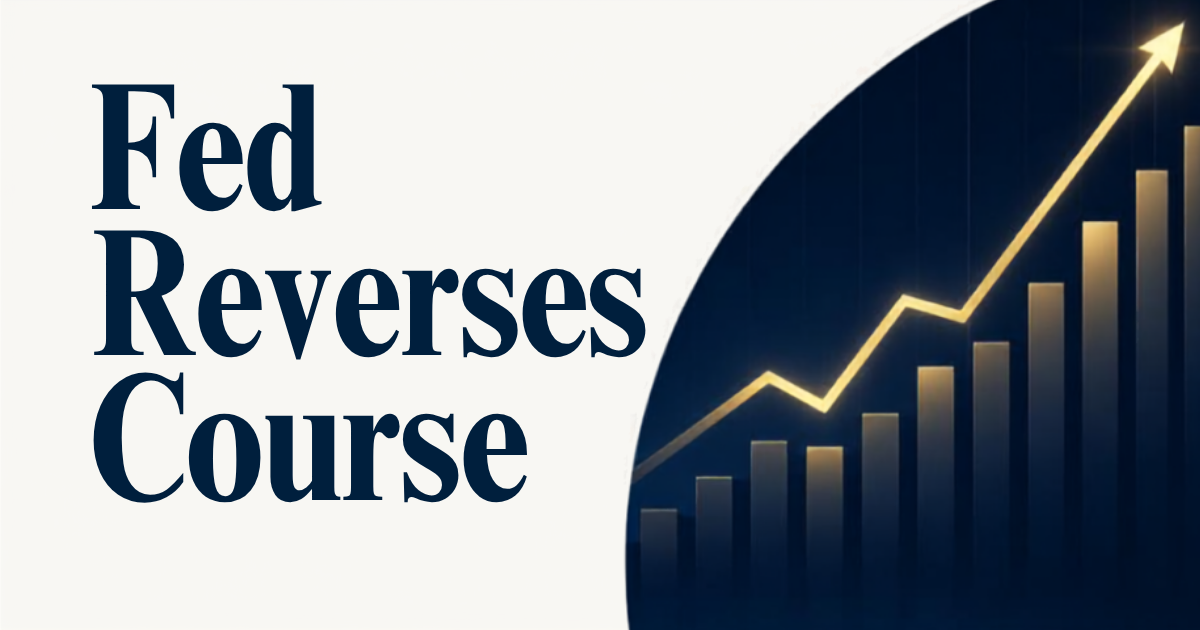
The Fed raised rates to 3.75%–4.00%, its first hike since 2023. Affinity Capital breaks down what it means for your portfolio, savings, and everyday finances.
Interest rate expectations shift fast. Learn how rate changes affect cash, bonds, and stocks, and why your financial plan shouldn't chase every Fed headline.