
What a Noisy World Means for Your Portfolio
March 26, 2026
If it feels like the news cycle has been louder than usual lately, that's because it has been. Geopolitical tensions across multiple regions, shifting U.S. trade relationships, and a rapidly changing domestic political landscape are all contributing to elevated market volatility. We want to take a moment to share our perspectives on what this means for your portfolio and for the broader inflation picture.
What's Happening Globally
We are in an extraordinary moment. The U.S. is reshaping its economic and geopolitical relationships in ways that are accelerating global fragmentation and creating real uncertainty for businesses and investors alike. Energy markets have been particularly sensitive to these developments, with commodity prices responding sharply to supply disruptions and shipping route concerns. Most forecasters believe current disruptions are short-lived and expect prices to moderate as conditions stabilize, but the range of outcomes remains wide.
Closer to home, affordability has become the defining political issue heading into the midterm cycle. The administration is rolling out consumer-focused measures around housing costs, prescription drugs, and credit, which could benefit some sectors while creating headwinds for others.
What This Means for Inflation
The inflation picture is nuanced right now. If current disruptions prove temporary, the impact on consumer prices should remain limited. However, if tensions persist and energy prices stay elevated, we expect to see some upward pressure on inflation over time. It is worth keeping in mind that energy prices, while attention-grabbing, are historically less influential on long-term inflation than factors like wage growth and domestic demand.
The broader U.S. picture reflects a tension between tariff-driven price pressure on one side and softening economic momentum on the other. The Fed is navigating this carefully, balancing inflation concerns against labor market signals. For now, rates appear likely to hold steady near term, with modest cuts possible later in the year if conditions warrant.
How We're Thinking About Your Portfolio
Volatility is uncomfortable, but it is not the enemy of long-term wealth building. History has demonstrated consistently that market disruptions driven by geopolitical events tend to be temporary in nature. Long-term investors are best served by staying anchored to their goals and risk parameters rather than reacting to the news of the day.
This environment does reinforce several principles we apply in managing your portfolio: maintaining thoughtful diversification, ensuring fixed income allocations reflect your actual income needs, and being intentional about where inflation and energy exposure sits within your overall strategy.
We are monitoring developments closely and will continue to adjust positioning as the picture becomes clearer. As always, if anything here raises questions specific to your situation, please reach out. That conversation is exactly what we are here for.
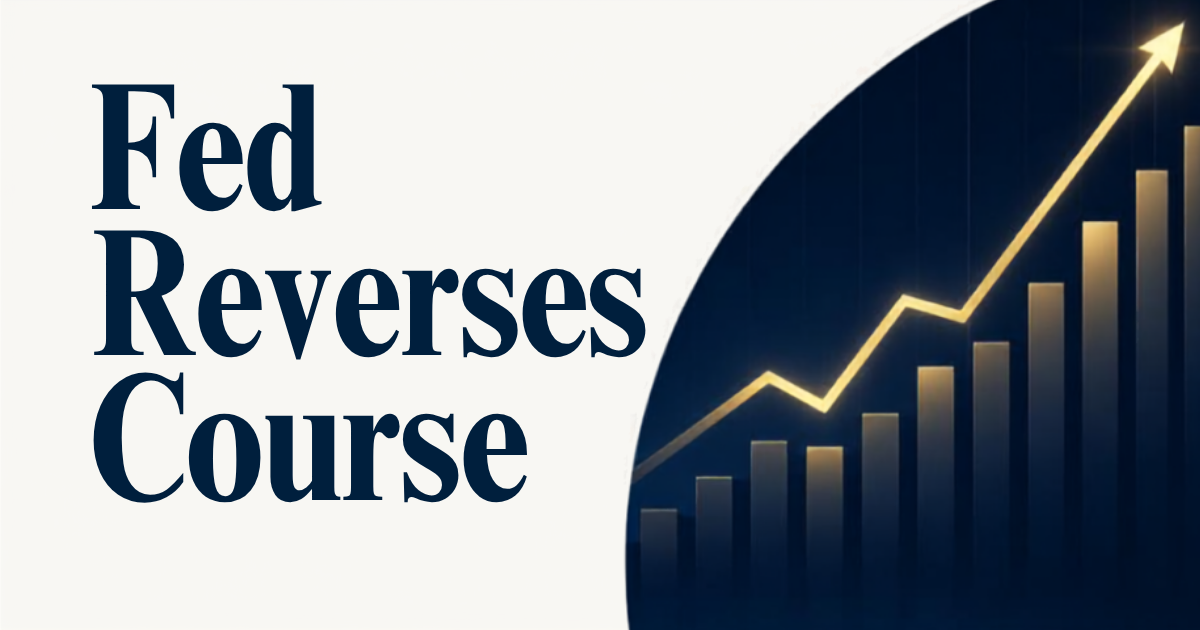
The Fed raised rates to 3.75%–4.00%, its first hike since 2023. Affinity Capital breaks down what it means for your portfolio, savings, and everyday finances.
Interest rate expectations shift fast. Learn how rate changes affect cash, bonds, and stocks, and why your financial plan shouldn't chase every Fed headline.
The Fed held rates steady at 3.50%-3.75% as inflation eases and Q2 growth moderates. See what a steady policy stance means for your investments and financial plan.